AFib and SVT both can make your heart race, but they are different rhythms. AFib is irregular and chaotic, coming from the top chambers twitching. SVT (supraventricular tachycardia) is usually a fast but regular rhythm that starts above the lower chambers. A heart rhythm test is the only way to know which one you have.
What AFib is
FCCI explains that in AFib, the two top chambers start twitching at a very fast rate instead of beating in a regular fashion. That makes the heartbeat irregular, sometimes too fast and sometimes too slow. AFib is the most common rhythm problem of the heart, and it can raise the risk of stroke from a blood clot.
What SVT is
SVT is a fast heart rhythm that starts in the upper part of the heart. People often describe it as a heartbeat that suddenly switches on, races, then suddenly stops. It often comes in episodes.
How they can feel
- AFib: often irregular, uneven or chaotic. Some people feel nothing.
- SVT: often a sudden, fast, steady pounding that can start and stop abruptly.
- Both: can come with shortness of breath, lightheadedness or tiredness.
Feelings overlap a lot, so do not try to diagnose yourself.
How doctors tell them apart
The answer is in the recording. An EKG during symptoms can show the rhythm clearly. If symptoms come and go, a Holter monitor or event recorder can capture an episode. FCCI's testing team works with these tools, and your electrophysiologist reads the results.
Treatment for each
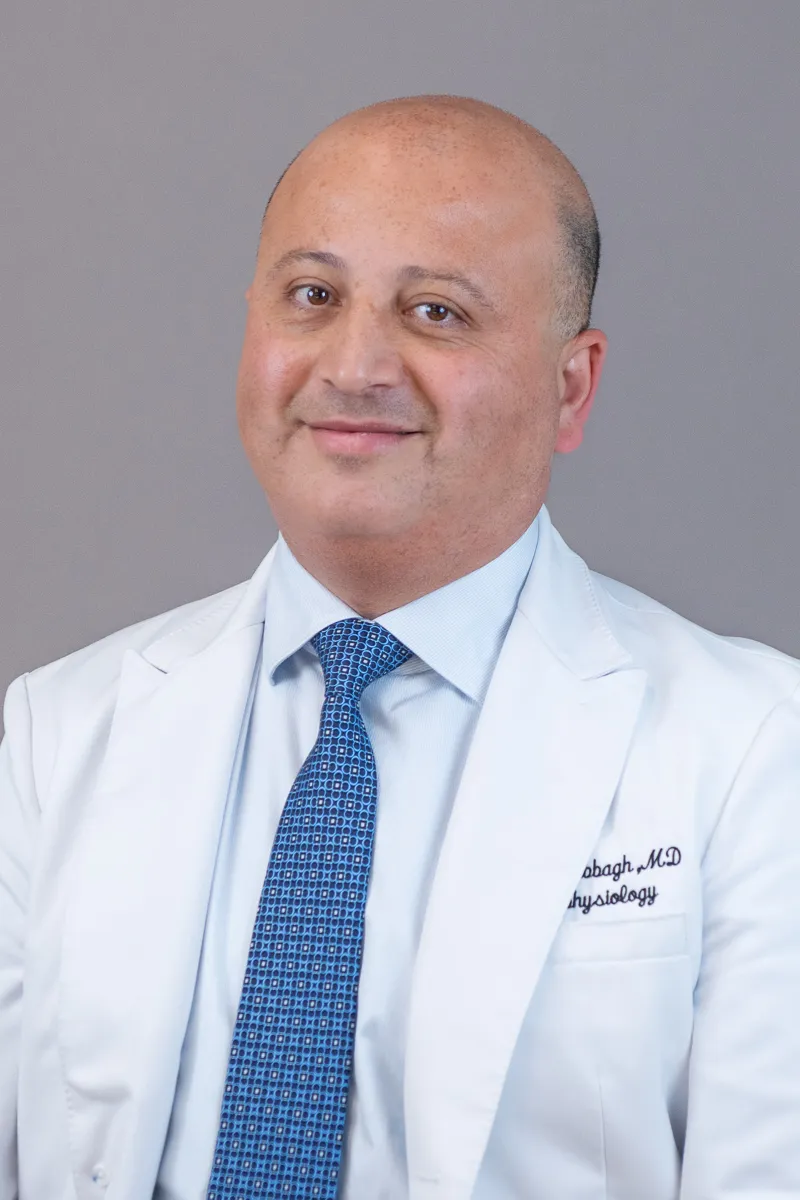
FCCI's Dr. Deepak Kumar Pasupula brings expertise in both invasive and non-invasive management of atrial fibrillation, ventricular arrhythmias and supraventricular tachycardia. Dr. Firas El Sabbagh performs catheter ablation for atrial and ventricular arrhythmias. Depending on the rhythm, options may include:
- Medicines to slow or control the rhythm
- Catheter ablation to treat the source
- For AFib, stroke prevention with blood thinners or left atrial appendage closure
When to get help fast
Call 911 if a fast heartbeat comes with chest pain, fainting, severe shortness of breath, or stroke signs. For new episodes that are not an emergency, call FCCI during business hours, 8AM to 5PM.
Other rhythms your doctor may mention
Ventricular arrhythmias start in the heart's lower chambers. Some are harmless extra beats, and some need close attention. FCCI's electrophysiologists treat these as well. If you hear a rhythm name you do not recognize, ask your doctor to write it down and explain what it means for you.
Tips for capturing an episode
- Note the exact time it starts and stops.
- Check your pulse or watch if it is safe to do so.
- If you have a monitor on, press the event button if it has one.
- Write down what you were doing.
These details help your EP match your symptoms to the recording.
Getting care at FCCI
Sorting out AFib from SVT starts with the right test, and FCCI can run it at offices across Jacksonville as well as Orange Park, Palatka and Waycross. Medicare, Tricare and most major plans are accepted.
Only a recording of your heartbeat can show which fast rhythm you have, so use this as a guide, not a diagnosis.
Not sure which fast rhythm you have? Book a visit at 904.493.3333, Monday to Friday, 8AM to 5PM, or send just your name and phone through the request form.