Watchman and LAA Closure for AFib
Left atrial appendage closure is a procedure that seals off a small pouch in the heart where AFib clots can form. FCCI's Director of Electrophysiology performs it with the Watchman and Amulet devices.
Why the left atrial appendage matters
When you have AFib, the top chambers of the heart twitch instead of squeezing well. FCCI's patient education explains that this can lead to a stroke due to a blood clot. The left atrial appendage is a small pouch attached to the top left chamber, and it is a common place for those clots to form.
Blood thinners are the usual way to lower that risk. For some people, a different approach makes sense. Left atrial appendage occlusion (LAAO), also called LAA closure, places a small device that seals off the pouch.
Your heart rhythm doctor will talk with you about your stroke risk and whether LAA closure is worth considering.
Think of it as closing a side pocket where trouble tends to collect.
Watchman and Amulet at FCCI
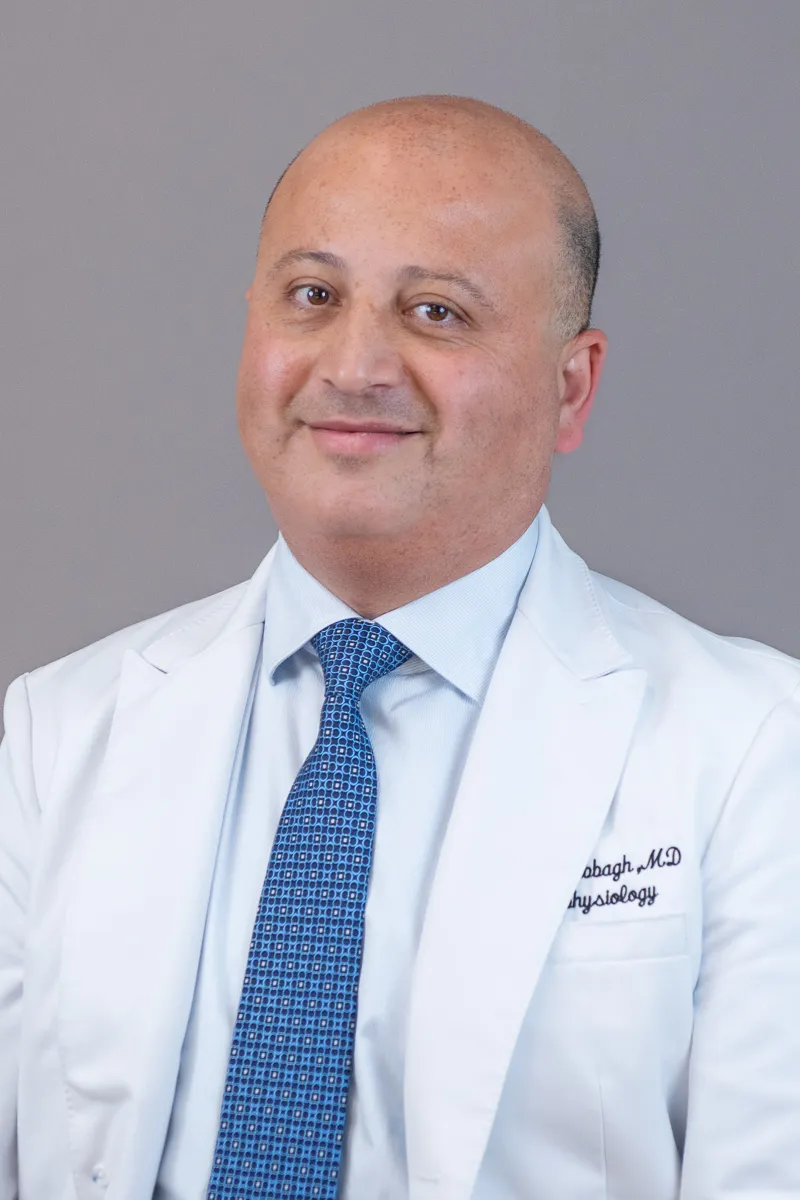
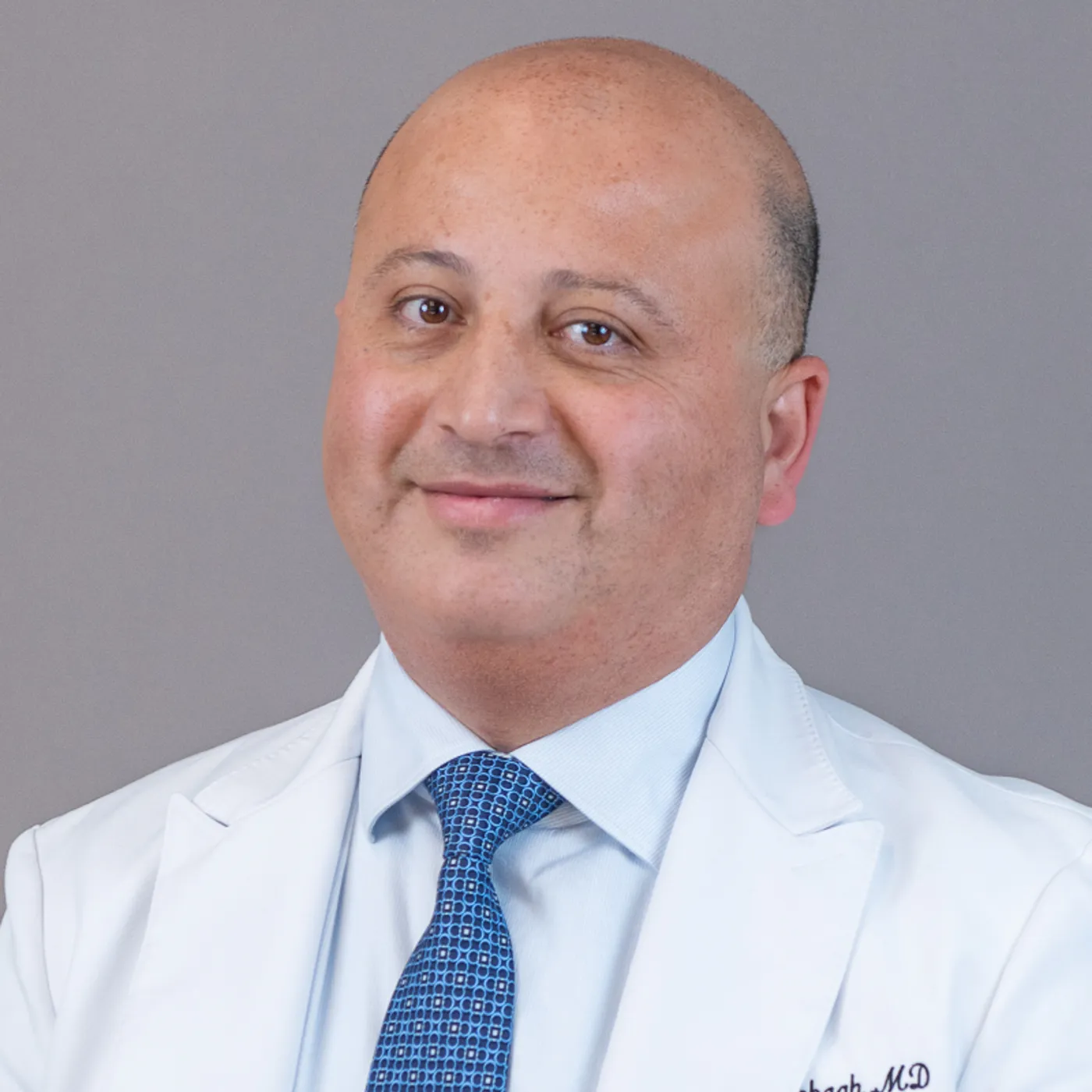
Dr. Firas El Sabbagh, Director of Electrophysiology at FCCI and at HCA Florida Orange Park Hospital, is highly skilled in left atrial appendage occlusion with both the Watchman and Amulet devices.
He is board-certified in cardiac electrophysiology, cardiovascular disease and echocardiography, and is a member of the Heart Rhythm Society. FCCI notes he proctors and mentors junior cardiologists across the country on how to perform new procedures safely.
FCCI also has a history with this therapy. In 2016, Dr. Vaqar Ali became among the first few physicians in the region to implant the WATCHMAN device at Memorial Hospital.
Having a doctor with deep device experience matters for a procedure like this, and so does a team that will follow you afterward.
Ask about his experience at your visit.
Questions to ask about LAA closure
- Am I a good candidate based on my stroke risk and history?
- How would this change my blood thinner plan?
- Watchman or Amulet: which fits me, and why?
- What does the procedure and recovery involve?
- What follow-up visits or tests will I need?
Never stop or change a blood thinner on your own. Talk with your doctor first.
To see if LAA closure could be an option for you, call 904.493.3333 and ask for a visit with an FCCI electrophysiologist. Your insurance coverage can be checked when you call.
Emergency? Watchman questions can wait for a visit, but chest pain, fainting, trouble breathing, or stroke signs such as face drooping, arm weakness or slurred speech cannot. Call 911.
Bring your medicine list and any past heart test results to the visit.
Where AFib starts, and why it matters.
Tap or hover a part of the heart to see its role in atrial fibrillation.
The heart's natural pacemaker, in the right atrium. In a normal rhythm, every beat starts here.
In AFib, the two upper chambers quiver with fast, chaotic electrical signals instead of squeezing in a steady rhythm.
Where these veins join the left atrium is the most common source of the extra signals that set off AFib. Catheter ablation targets this area.
A small pouch off the left atrium. When the atria quiver, blood can pool here and form clots that may cause a stroke. Watchman and Amulet devices close it off.
The relay between the upper and lower chambers. Some rate-control medicines work by slowing signals here.
The main pumping chambers. During AFib they get irregular signals, so the pulse can feel fast, uneven or fluttery.
A simplified illustration for education, not to scale.
Talk with a specialist.
New patients are welcome. Call 904.493.3333, Mon to Fri, 8am to 5pm, or request a visit online.
What is the Watchman?
Watchman is a device used in left atrial appendage closure, a procedure that seals off a pouch in the heart where AFib clots can form.
Who does Watchman at FCCI?
Dr. Firas El Sabbagh, FCCI's Director of Electrophysiology, is highly skilled in LAA occlusion with Watchman and Amulet.
Will I still need blood thinners?
That depends on you. Your doctor will explain your blood thinner plan. Never stop one on your own.
How do I find out if I qualify?
Call 904.493.3333 to schedule a visit with an FCCI electrophysiologist.
Keep exploring.
 Condition
What AFib Is and How It's Treated
Atrial fibrillation (AFib) is the most common rhythm problem of the heart. It is treatable, and in certain patients a procedure called ablation can potentially cure it.
Read more Symptoms
Heart Palpitations and Irregular Beats
Palpitations are a racing, pounding, fluttering or skipping heartbeat. Many are harmless, but an irregular pulse can be a sign of AFib or another rhythm problem, so it is worth getting checked.
Read more Treatment
Catheter Ablation for AFib
Ablation is a procedure that can potentially cure AFib in certain patients. Thin catheters are guided from the groin into the heart to treat the small areas that trigger the irregular rhythm.
Read more