AFib ablation is a procedure where a doctor guides thin catheters from the groin into the heart and treats the small areas that may be triggering the irregular rhythm. FCCI says it can potentially cure AFib in certain patients and usually requires one night stay in the hospital. Here is what to expect, step by step.
Who might be a candidate
Ablation is often considered when AFib keeps causing symptoms, or when medicines are not controlling it well or cause side effects. It is not the first step for everyone. Your electrophysiologist will review your history, your rhythm tests and imaging of your heart before recommending it.
Before the procedure
- You will meet with your EP to talk about benefits, risks and your goals.
- You may have tests, such as heart imaging, beforehand.
- You will get instructions about eating, drinking and your medicines. Follow them closely, especially for blood thinners.
- Plan for a ride home and someone to help for a day or two.
During the procedure
The procedure is done in a hospital. Thin, flexible catheters go in through a vein in the groin and are guided up to the heart. Using these, the doctor treats the tissue responsible for the faulty signals. FCCI's doctors use several methods:
- Pulsed field ablation: Dr. Deepak Kumar Pasupula is well-trained in this method alongside world-renowned experts in cardiac ablation.
- Radiofrequency ablation: uses heat energy. Both FCCI EPs perform it.
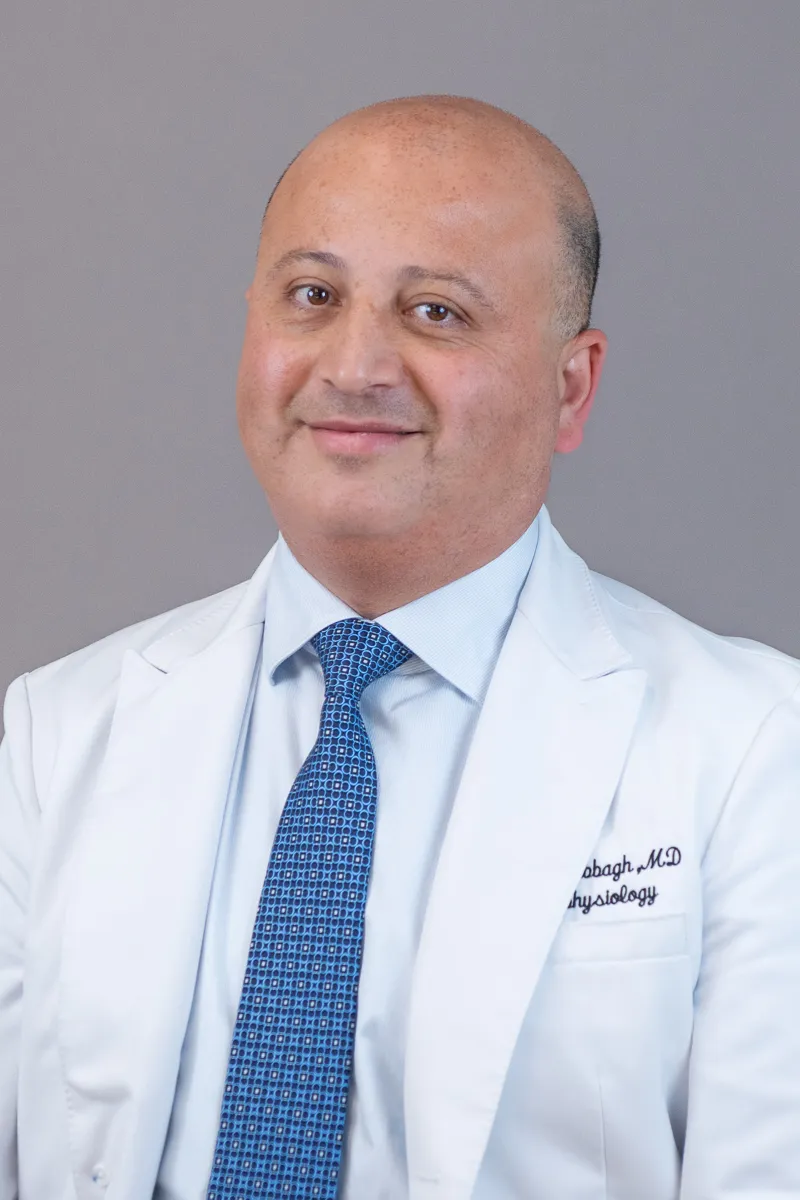
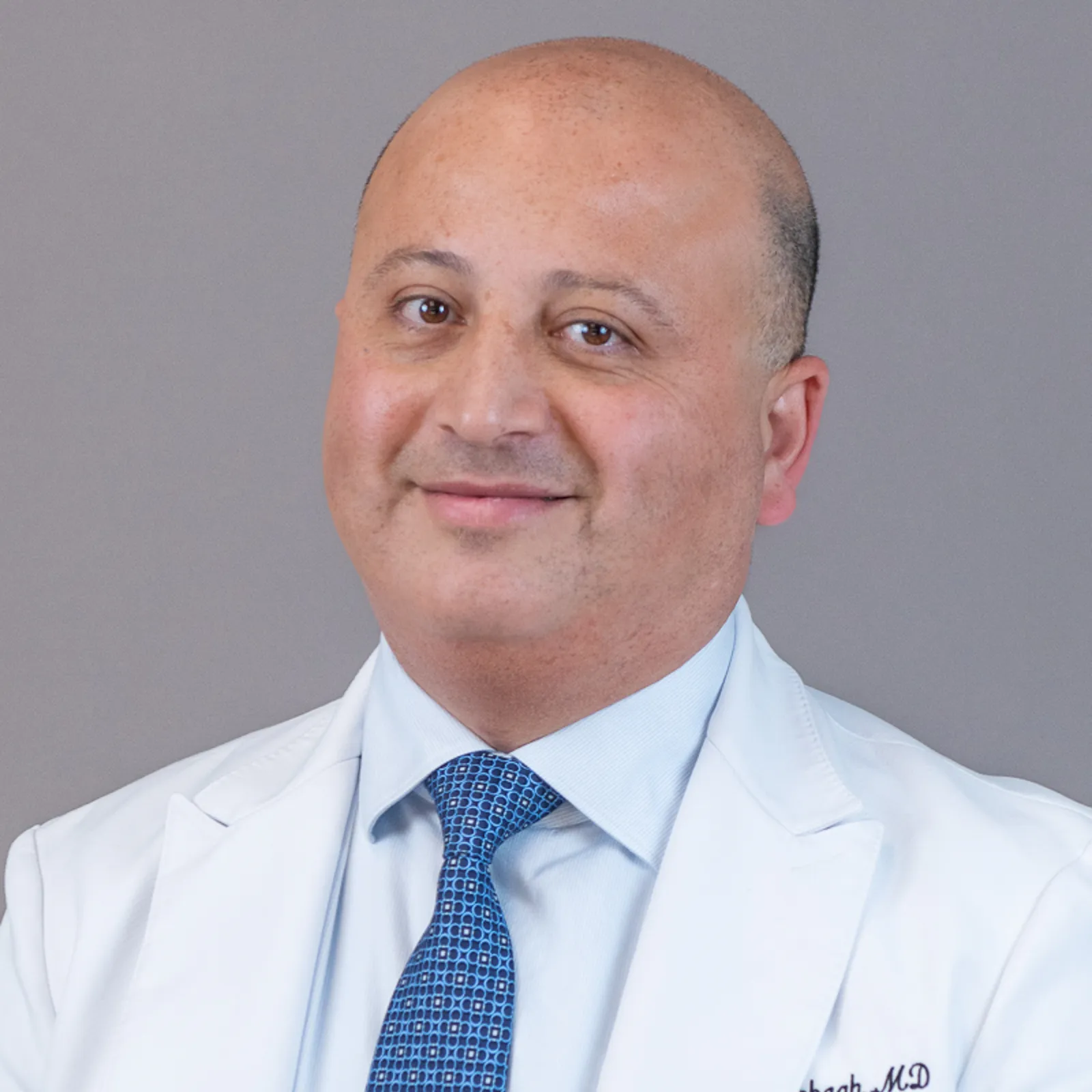
- Cryoballoon ablation: uses cold energy. Dr. Firas El Sabbagh uses both radiofrequency and cryoballoon techniques.
Your doctor will explain which method fits your heart and why.
After the procedure
FCCI notes AFib ablation usually requires one night stay in the hospital. Before you go home, the team will tell you how to care for the groin site, which activities to avoid for a while, and what medicines to take. You will have follow-up visits to check your rhythm.
Call your doctor about swelling, bleeding or pain at the groin site. Call 911 for chest pain, fainting, severe shortness of breath or stroke signs.
Questions to ask your EP
- Why do you think ablation is right for me now?
- Which method will you use?
- Will I stay on a blood thinner afterward?
- When can I drive, work and exercise again?
- What happens if AFib comes back?
Every person is different, and no doctor can promise a result. A good EP will talk honestly with you about what to expect.
Cost and insurance
FCCI accepts most major insurance plans, including Medicare. Ask the office to help check your coverage and whether prior authorization is needed.
Getting ready at home
- Arrange a ride and someone to stay with you the first night home.
- Fill any new prescriptions ahead of time.
- Set up a comfortable spot to rest, with water and your phone nearby.
- Write down your questions for the team before discharge.
Recovery is different for everyone. Follow your own care team's instructions on lifting, driving and returning to work.
Getting care at FCCI
If ablation might be on the table, your first conversation can happen at a nearby FCCI office, from the Southside on AC Skinner Parkway to Orange Park, Palatka or Waycross. FCCI accepts Medicare, Medicaid of Florida, Tricare and most major insurance plans.
Every ablation plan is personal, and no procedure is right for everyone. Your doctor will explain what fits your situation.
Wondering if ablation could help you? Call 904.493.3333 on a weekday, 8AM to 5PM, to set up a talk with a heart rhythm doctor, or send your name and number through the request form.